


Grow Pollinator-Friendly Flowers
Flowers provide the nectar and pollen resources that pollinators feed on. Growing the right flowers, shrubs, and trees with overlapping bloom times will support pollinators from spring through fall.
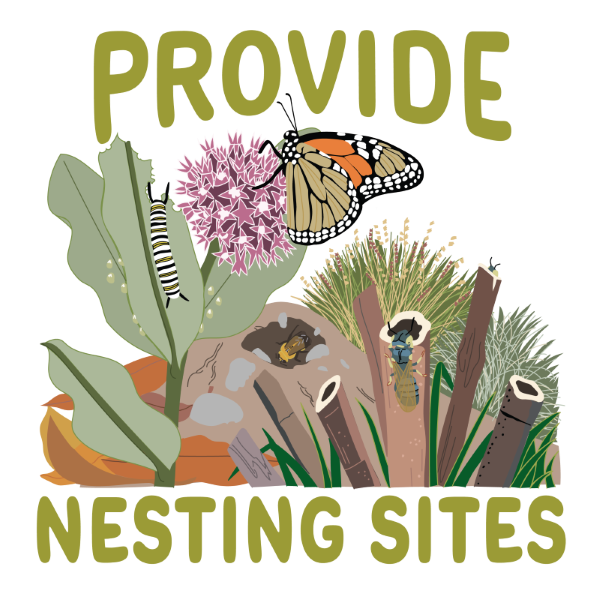
Provide Nest Sites
It is important to support all pollinator life stages, including eggs and larvae! For bees, leave patches of bare ground and brush piles, have plants and shrubs with hollow or pithy stems, or install nesting blocks. For butterflies and moths, plant their caterpillar host plants.
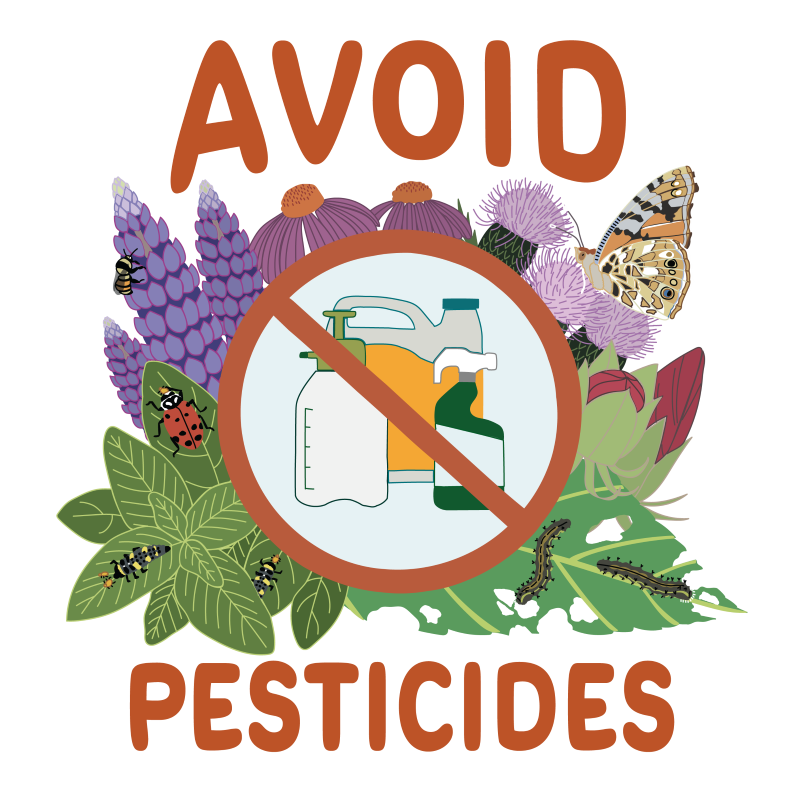
Avoid Pesticides
Pesticides, especially insecticides, are harmful to pollinators. Herbicides reduce food sources by removing flowers from the landscape. Fungicides can also have negative effects on bees. There are safer ways to manage issues!
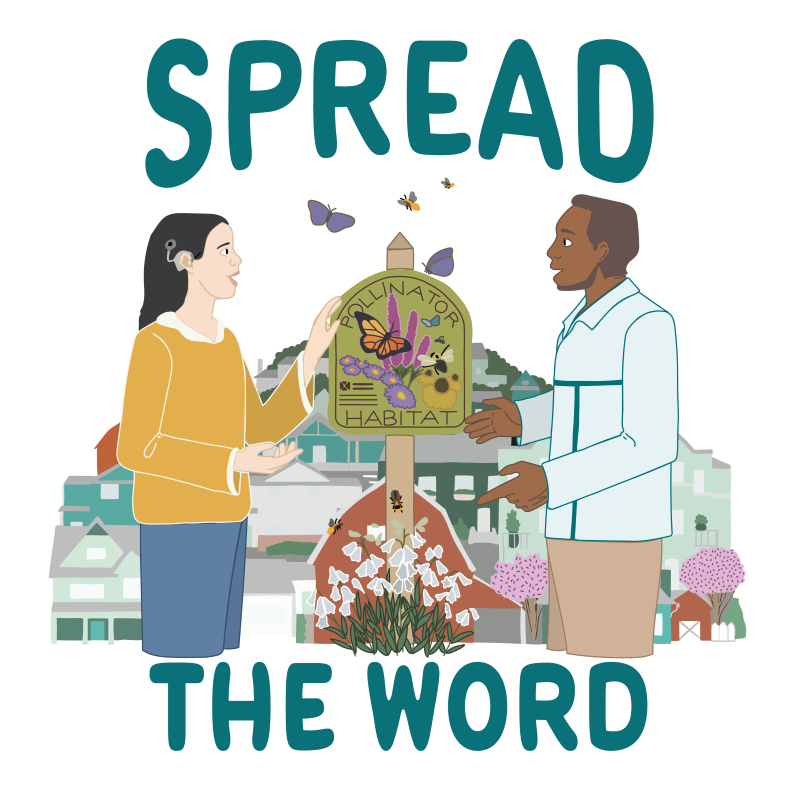
Spread the Word
Make your commitment both official and visible by signing the Pollinator Protection Pledge! You can also share information about pollinators on social media, talk with your neighbors, or spread the word with a pollinator habitat sign or pesticide-free sign.
Join the global momement to protect pollinators, and view an interactive map of your fellow pledge-takers!
Sign the Pollinator Protection Pledge
Click the arrows in the upper left corner of the map to view the legend.
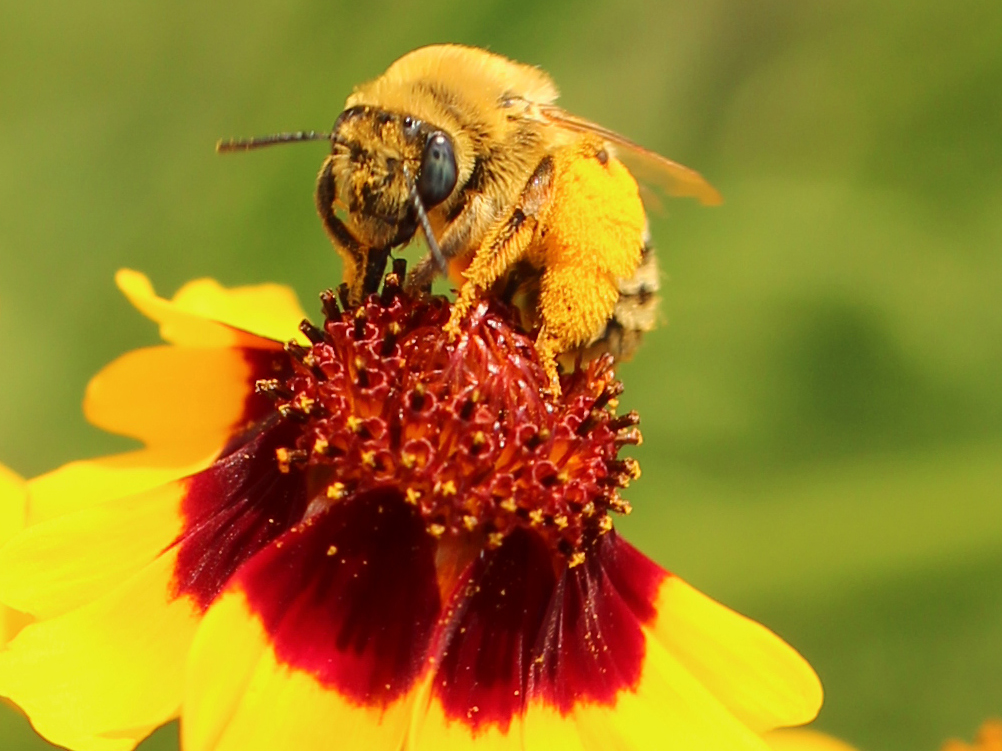
Pollinator Conservation Resource Center
Xerces offers region-specific collections of publications, native plant and seed suppliers, and other resources to aid in planning, establishing, restoring, and maintaining pollinator habitat.
_David%20Cappaert_Bugwood-CC%20cropped%20for%20tiles.jpg)
Who Are the Pollinators?
Learn about the main groups of insect pollinators—bees, butterflies, flies, wasps, and beetles—including their life cycles, habitat needs, and conservation concerns.
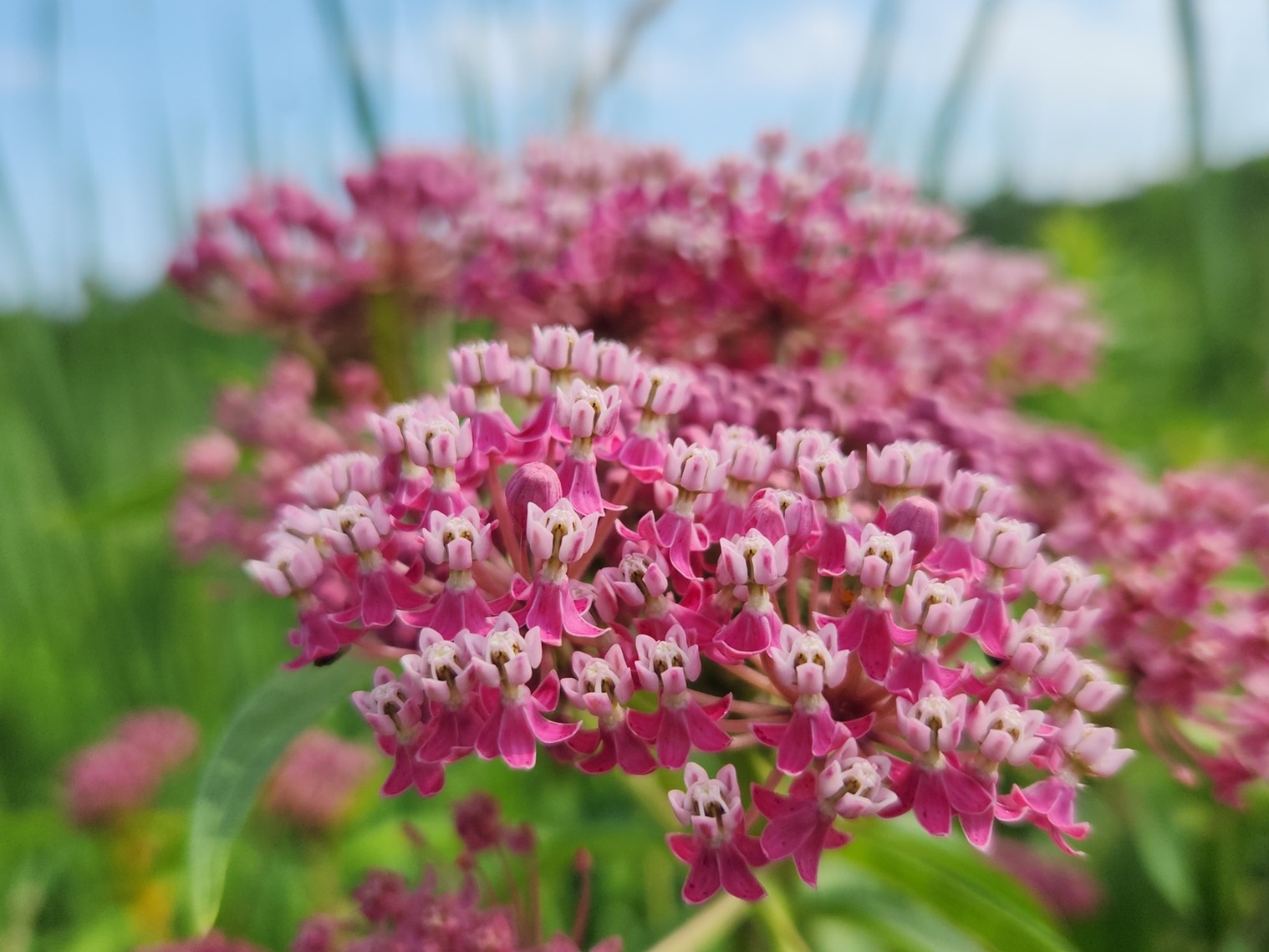
What Are Native Plants?
Native plants, which are adapted to local soils and climates, are usually the best sources of food and shelter for native pollinators.

What's at Stake?
Bees and other pollinators touch our lives every day in ways we may not realize. They are responsible for as much as one third of the food and drinks that we consume, for starters, and help sustain a healthy environment for us all.