Pollinator Conservation

Pollinators are essential to our environment. The ecological service they provide is necessary for the reproduction of nearly 70 percent of the world’s flowering plants, including more than two-thirds of the world’s crop species. The United States alone grows more than one hundred crops that either need or benefit from pollinators, and the economic value of these native pollinators is estimated at $3 billion per year in the U.S. Beyond agriculture, pollinators are keystone species in most terrestrial ecosystems. Fruits and seeds derived from insect pollination are a major part of the diet of approximately 25 percent of all birds, and of mammals ranging from red-backed voles to grizzly bears. In many places, the essential service of pollination is at risk from habitat loss, pesticide use, and introduced diseases.

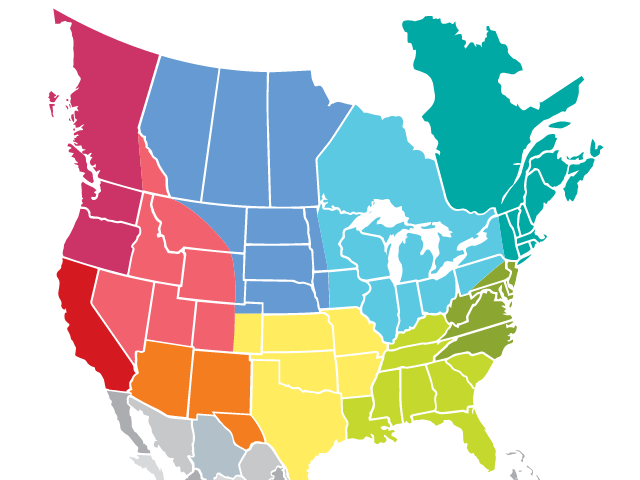
Learn About Your Landscape:

Find conservation information specific to your area of care.

Take Action

Bring Back the Pollinators

Sign the pledge and take action to help protect pollinators and their essential habitats! Bring Back the Pollinators is based on four simple principles that can be implemented in any landscape. Learn more.

Pollinator Conservation Resource Center

The Pollinator Conservation Resource Center is where you can find regional information about plant lists, habitat conservation guides, and more. Learn more.

Attracting Native Pollinators

The Xerces Society’s comprehensive book, reflecting the latest understanding about creating and managing pollinator habitat. Learn more.

National Pollinator Week

In honor of National Pollinator week, check out the fantastic work that people across the country are doing to protect pollinator habitat. If you have a photo of a pollinator garden or habitat that you’ve created, please submit it to our Flickr group and it will show up in the slideshow.


Eastern Tailed-blue
Dendroica cerulea

Dendroica cerulea has added a photo to the pool:… Read More

Urban Pollinators Project, Castle Park
zolaczakl

zolaczakl has added a photo to the pool: The Urban Pollinators project is researching insect polli… Read More

Michigan Pollinator Conservation Short Course
Xerces Society

Xerces Society has added a photo to the pool: Photographer: Jennifer Hopwood Location: East Lansin… Read More

Lockeford Plant Materials Center
Xerces Society

Xerces Society has added a photo to the pool: Photographer: Jim Cairns Location: Lockeford, Califo… Read More

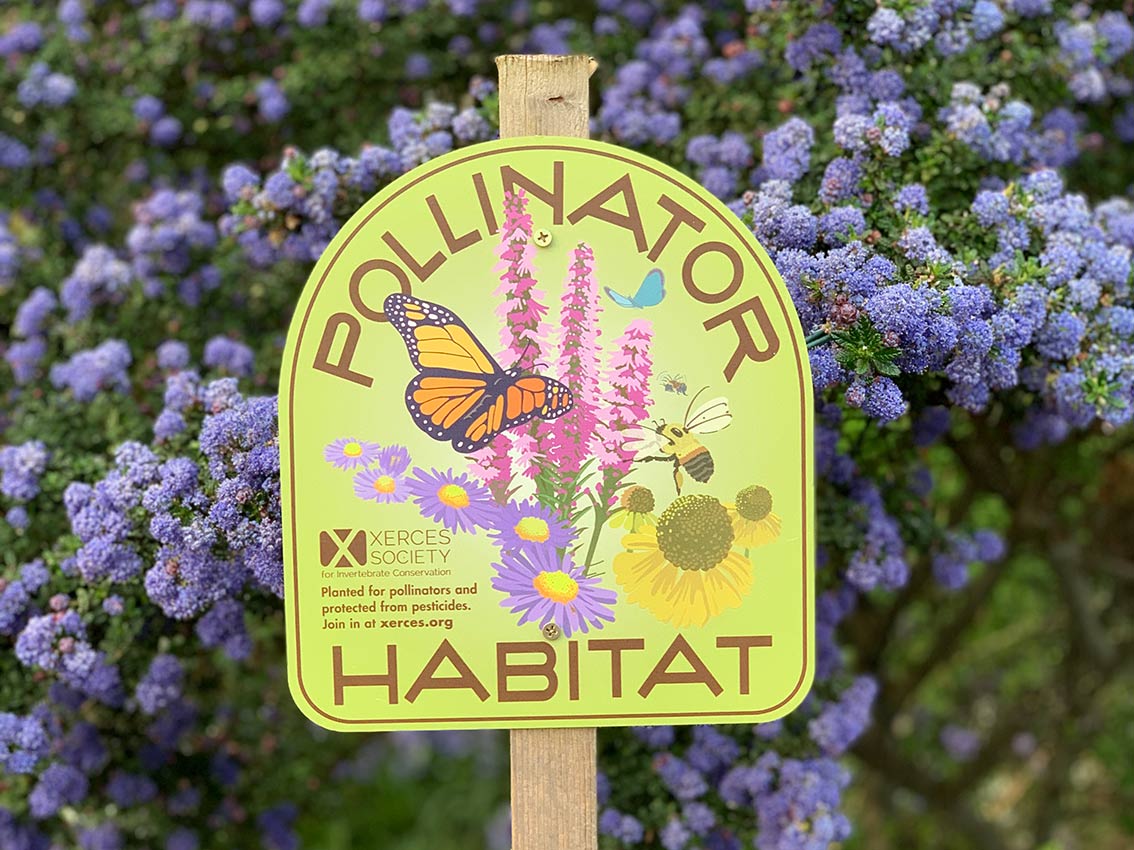
Pollinator Habitat Sign
Xerces Society

Xerces Society has added a photo to the pool:… Read More

Bee Block & Pear Tree
Xerces Society

Xerces Society has added a photo to the pool: Photographer: Matthew Shepherd… Read More

Great Spangled Fritallary with Monarch Butterfly
John Magee

John Magee has added a photo to the pool:… Read More

Red Admiral on Black-Eyed Susan
John Magee

John Magee has added a photo to the pool: Middleburg, VA www.john-magee.com… Read More

Native pollinator garden
John Magee

John Magee has added a photo to the pool: This was once a steep bank of grass, but we removed the… Read More

Native combo
John Magee

John Magee has added a photo to the pool: A very pollinator-friendly combination of native plants… Read More

Levy
John Magee

John Magee has added a photo to the pool:… Read More

Checkers on Butterfly weed
John Magee

John Magee has added a photo to the pool: PHOTOGRAPHER NAME: John Magee LOCATION PHOTO WAS TAKEN:… Read More

Pollinator Paradise - Save the Bees
FernShade

FernShade has added a photo to the pool: This little bee home and surrounding garden are part of a… Read More

Magee Native Plant Garden Design Front Royal, VA 2
John Magee

John Magee has added a photo to the pool:… Read More

Our Work

Check out some of the work our pollinator conservation team has been doing!


Upcoming Events

Pollinator Conservation Short Course – Crossville, Tennessee

Thursday, June 20th, 2013
9:00 am - 4:00 pm CDT
Plateau Research & Education Center
Crossville, TN

This full day training will provide you with the latest science-based approaches to reversing the trend of pollinator declines, and will equip you with the recipes necessary to protect and manage habitat for these vital insects.

Click here for more information or to register for this short course.

Introduction to Eastern Native Bees – Crossville, Tennessee

Thursday, June 20th, 2013
7 pm EDT
Cumberland State Park
Crossville, TN

Presented by Nancy Adamson and Kelly Gill, Pollinator Conservation Specialists, the Xerces Society and the USDA Natural Resources Conservation Service, this event features a slideshow and a display of native bees that are commonly found on local crops.

Click here for more information.

Bringing Back the Pollinators – Newport Beach, California

Saturday June 22, 2013 9:00 am - 3:00 pm PDT Peter and Mary Muth Interpretive Center 2301 University Dr., Newport Beach, CA 92660
Scott Hoffman Black, Xerces’ executive director, will be speaking at the Third Annual Newport Bay Symposium. Timed to coincide with National Pollinator week, this program will bring together some of the region's foremost experts to talk about native plants and their insect pollinators, and will close with a presentation by Scott on Bringing Back the Pollinators: What we can all do to protect this vital resource. The talks will be followed by a native plant sale during lunchtime, and the day will conclude with a series of informal field trips to local trails where some of these plants and insects are found.

Click here for more information or to register for this event.

2013 MSU Bee-Palooza – East Lansing, Michigan

Sunday, June 23rd, 2013
1 pm - 4 pm EDT
MSU Horticultural Demonstration Gardens
East Lansing, MI

In celebration of National Pollinator Week, Michigan State University is hosting the second annual Bee Palooza. Attendees will learn about pollinators in the MSU Horticultural Demonstration Gardens and view the inner workings of a bee colony. There will also be pollinator-themed face painting and a scavenger hunt for children.

Click here for more information.

Pollinator Conservation Short Course – Glasgow, Kentucky

Wednesday, June 26th, 2013
9:00 am - 4:00 pm CDT
Barren County Cooperative Extension
Glasgow, KY

This full day training will provide you with the latest science-based approaches to reversing the trend of pollinator declines, and will equip you with the recipes necessary to protect and manage habitat for these vital insects.

Click here for more information or to register for this short course.

Pollinator Conservation Short Course – Frankfort, Kentucky

Thursday, June 27th, 2013
9:00 am - 4:00 pm EDT
Kentucky Department of Fish and Wildlife
Salato Wildlife Education Center
Frankfort, KY

This full day training will provide you with the latest science-based approaches to reversing the trend of pollinator declines, and will equip you with the recipes necessary to protect and manage habitat for these vital insects.

Click here for more information or to register for this short course.

Farming for Beneficial Insects – Webinar

Thursday, July 11th, 2013 2:00 pm - 3:00 pm EDT Webinar

Pollinators and other beneficial insects help ensure healthy crop harvests. Participate in this webinar to learn how to support pollinators and natural enemies of crop pests (predators and parasitoids) by providing diverse habitat and protection from pesticides. This webinar highlights research showing how diverse habitat adjacent to cropland supports improved pollination and reduces pest pressure.

Click here for more information or to register for this event.

Cullowhee Native Plant Conference – North Carolina

Friday, July 19th, 2013
1:30 pm - 2:30 pm
Western Carolina University
Cullowhee, NC

Nancy Lee Adamson, Xerces Society’s Pollinator Conservation Specialist in the East Region will give a plenary presentation at the conference entitled, Native Plants for Pollinators on July 19th from 1:30 pm - 2:30 pm.

Pollinators are vital for our well-being. They are ecological keystones, ensuring pollination of 85% of plants (35% of crops). This program highlights the importance of pollinators (especially native bees), ways to support pollinator populations with native plants, and Farm Bill programs for habitat creation. Read more.

Pollinator Conservation Planning Short Course – Cullman, Alabama

Tuesday, July 30th, 2013
9:00 am - 4:00 pm CDT
Cullman Electric Cooperative
1749 Eva Rd NE
Cullman, AL 35058

This full day training will provide you with the latest science-based approaches to reversing the trend of pollinator declines, and will equip you with the recipes necessary to protect and manage habitat for these vital insects.
Click here for more information or to register for this short course.

Pollinator Conservation Planning Short Course – Troy, Alabama

Thursday, August 1st, 2013
9:00 am - 4:00 pm CDT
Dorrill Farm
1316 County Road 5523
Troy, AL 36081

This full day training will provide you with the latest science-based approaches to reversing the trend of pollinator declines, and will equip you with the recipes necessary to protect and manage habitat for these vital insects.
Click here for more information or to register for this short course.

Pollinator Conservation Short Course – State College, Pennsylvania

Wednesday, August 14th, 2013
9:00 am - 4:30 pm EDT
Taking place during the 2013 International Conference on Pollinator Biology, Health, and Policy at Penn State University
State College, PA

This full day training will provide you with the latest science-based approaches to reversing the trend of pollinator declines, and will equip you with the recipes necessary to protect and manage habitat for these vital insects.

Click here for more information or to register for this short course.

Donate

to protect invertebrates!

Newsletter

Sign up for our newsletter to recieve up to date information about our programs and events.

Search this Site
Contact Us

Email us with your questions and comments about pollinator conservation.

Learn About Your Landscape:
Take Action!
Sign the Pledge!

Sign the pledge and take action to help protect pollinators and their essential habitats! Learn more.

Pollinator Conservation Resource Center


The Resource Center is where you can find regional information about plant lists, habitat conservation guides, and more. Learn more.

Seed Store


Our partners in the native seed industry are offering specially designed, Xerces-approved wildflower seed mixes. Learn more.

The Xerces Society • 628 NE Broadway Ste 200, Portland OR 97232 USA • tel 855.232.6639 • fax 503.233.6794 • info@xerces.org
site mapcontactgivecontact the webmaster