
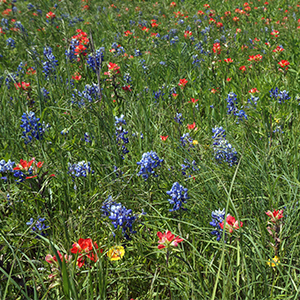
Food in the form of abundant flowering plants that provide access to pollen and nectar throughout the growing season
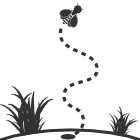
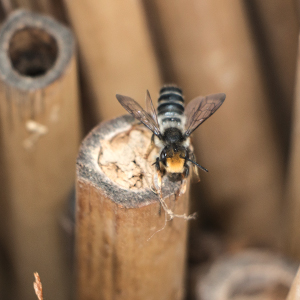
Access to shelter and nesting sites including host plants for butterflies, pithy-stems and dead wood for cavity-nesting bees, and bare earth for ground-nesting bees
Protection from pesticides which kill non-target insects and degrade habitat by removing or contaminating flowering plants
Advocates who are willing to make changes in their own landscape, but also teach others and spread the word to encourage pollinator- friendly practices in their community.
Create, Restore, and Manage Habitat
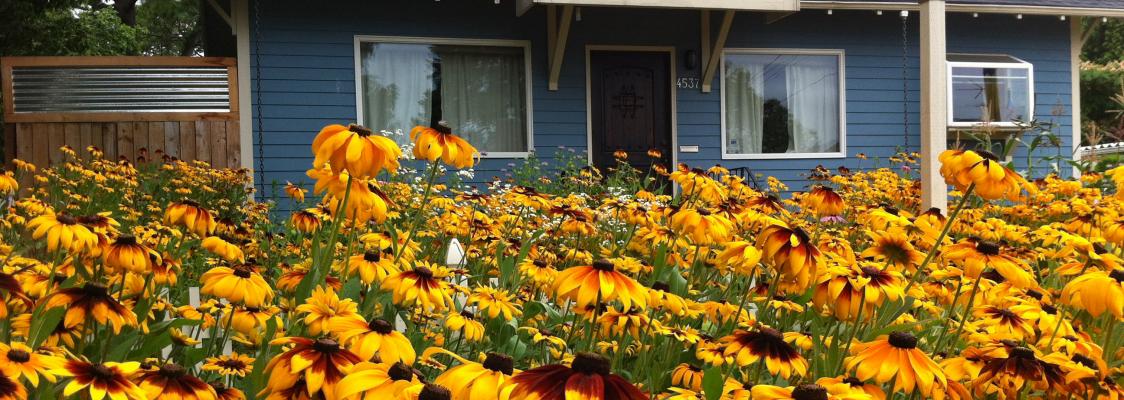
From expansive meadows to backyard butterfly gardens and everywhere in between - every landscape can be optimized to support pollinators.
Provide Access to Nesting Sites
Like us, pollinators need a place to call home. Nesting resources can take many forms - from natural to man-made.

Avoid Pesticides in Your Garden
Learn more about the risks associated with commonly used pesticides and how home gardeners can avoid their use to protect pollinators
Pick the Right Plants
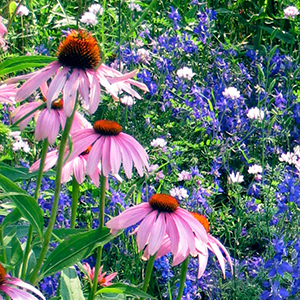
We’ve prepared research-based, regionally appropriate plant lists and guides to help you pick the very best plants for pollinators.

Bee-Safe Nursery Plants
Creating a welcoming home for pollinators is reason enough to choose plants free from harmful pesticide residues. But how do you figure out if the plant you want is safe?

Get Involved and Spread the Word!
Find a training or event near you, access citizen science projects and online resources, and sign the Pollinator Pledge!
Sign the Pollinator Protection Pledge
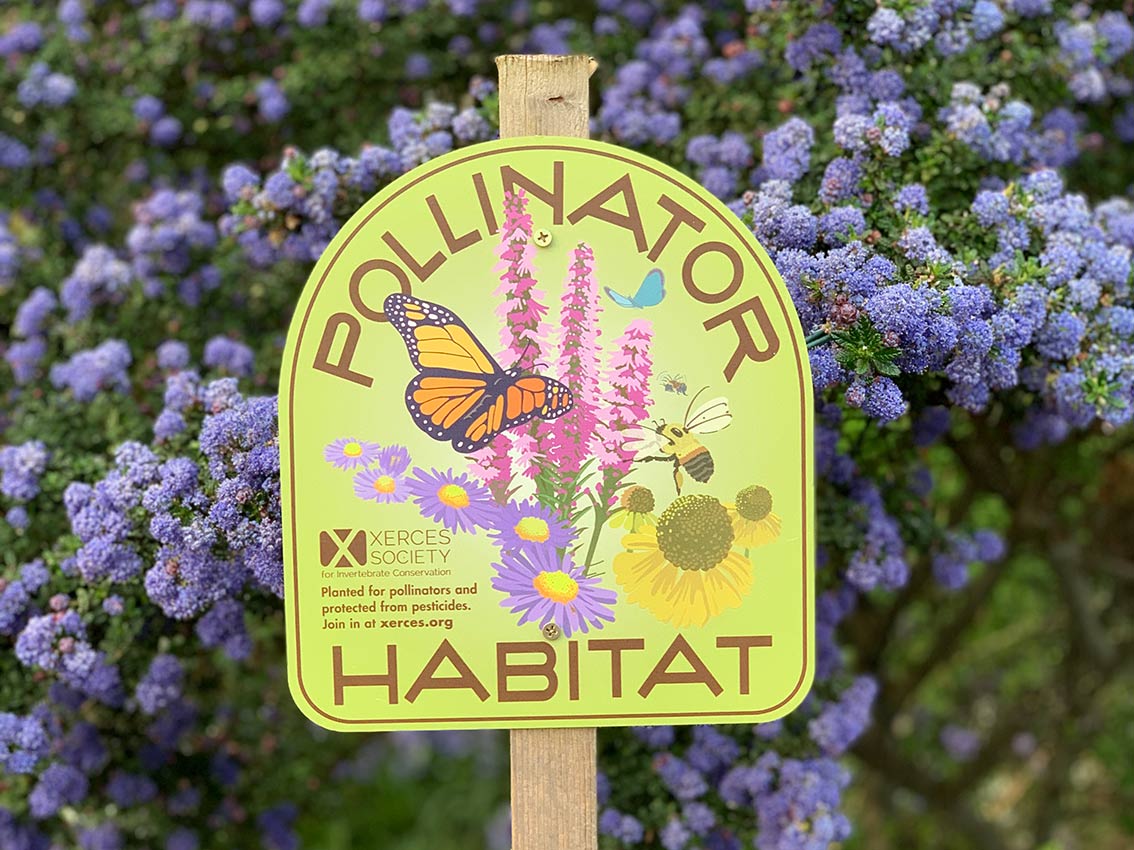
Can you make the commitment to protect pollinators? Sign the Pollinator Protection Pledge and join thousands of others who have pledged to provide habitat and protect pollinators from pesticides. If you have a garden in the United States, it will also be automatically added to the National Pollinator Garden Network – a part of the Million Pollinator Garden Challenge.