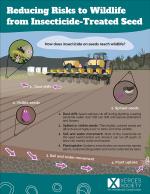
As a science-based organization, the Xerces Society produces dozens of publications annually, all of which employ the best available research to guide effective conservation efforts. Our publications range from guidelines for land managers, to brochures offering overviews of key concepts related to invertebrate conservation, from books about supporting pollinators in farmland, to region-specific plant lists. We hope that whatever you are seeking—whether it's guidance on making a home or community garden pollinator-friendly, advice on developing a local pesticide reduction strategy, or detailed information on restoring habitat—you will find it here!
Find Publications
Use the search functions to sort by publication type (books, guidelines, fact sheets, etc.), location, and/or subject (agriculture, gardens, pollinators, pesticides, etc.).
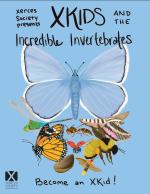
Xperience Activity Booklet
Go on an adventure with Blue the Butterfly to meet other invertebrates and learn about their superpowers.
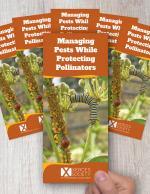
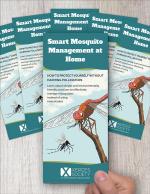
This guide walks readers through how to decide if an insect in the garden is an issue that needs to be managed, and provides examples of ecologically-friendly solutions.
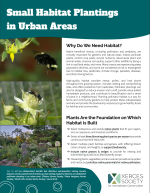
Native beneficial insects, including pollinators and predators, are critically important for gardens and natural areas.
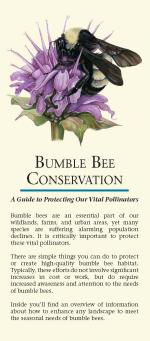
A Guide to Protecting Our Vital Pollinators
Bumble bees are an essential part of our wildlands, farms, and urban areas, yet many species are suffering alarming population declines. It is critically important to protect these vital pollinators.
There are simple things you can do to protect or create high-quality bumble bee habitat. Typically, these efforts do not involve significant increases in cost or work, but do require increased awareness and attention to the needs of bumble bees.
This brochure offers an overview of information about how to enhance any landscape to meet the seasonal needs of bumble bees.
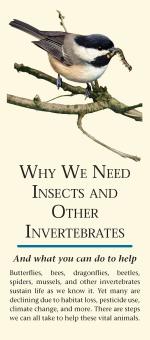
And what you can do to help
Butterflies, bees, dragonflies, beetles, spiders, mussels, and other invertebrates sustain life as we know it. Yet many are declining due to habitat loss, pesticide use, climate change, and more. This brochure shows how we depend on invertebrates, introduces the major threats facing them, and lists some steps we can all take. No action is too small to help these tiny but vital animals.

For Pollinators & Other Beneficial Insects
The availability of nesting and overwintering habitat is one of the most important factors influencing populations of native bees and other beneficial insects. This guide focuses on a variety of natural nesting habitat features that can be readily incorporated into most landscapes to benefit pollinators and beneficial insects.

A Comparative Overview
This fact sheet is intended to be a quick reference to help you select and use organically-approved pesticides with the least impact on bees and other beneficial insects.
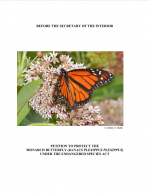
The monarch was petitioned for listing under the Endangered Species Act in 2014 through a petition submitted by the Xerces Society and our conservation partners, including Center for Biological Diversity, Center for Food Safety, and the late Dr. Lincoln Brower.
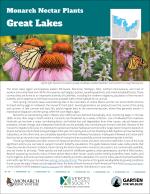
This regional list of monarch nectar plants is geared toward gardeners, landscape designers, and land managers who are implementing small- to large-scale monarch restoration projects in eastern Minnesota, Wisconsin, Michigan, Ohio, northern Pennsylvania, and most of western and central New York.
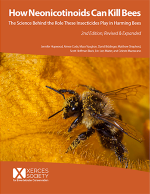
The Science Behind the Role These Insecticides Play in Harming Bees. 2nd Edition; Revised & Expanded
Now availaible as a revised and expanded second edition, our report examins the science behind the role these insecticides play in harming bees.