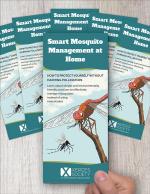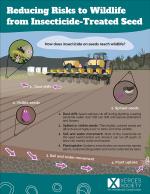
As a science-based organization, the Xerces Society produces dozens of publications annually, all of which employ the best available research to guide effective conservation efforts. Our publications range from guidelines for land managers, to brochures offering overviews of key concepts related to invertebrate conservation, from books about supporting pollinators in farmland, to region-specific plant lists. We hope that whatever you are seeking—whether it's guidance on making a home or community garden pollinator-friendly, advice on developing a local pesticide reduction strategy, or detailed information on restoring habitat—you will find it here!
Find Publications
Use the search functions to sort by publication type (books, guidelines, fact sheets, etc.), location, and/or subject (agriculture, gardens, pollinators, pesticides, etc.).
Essays on Invertebrate Conservation
What happens on farmland affects the health of wildlife, and changing how agricultural lands are managed can have a broad and profound influence on populations of bees, butterflies, and a host of other animals.
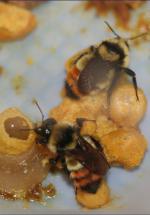
The continued shipment of bumble bee pollinators to areas outside of their native ranges poses a grave threat to the wild populations of closely related bumble bee species. Without better regulation, we are likely to continue to see catastrophic declines, and possibly extinctions, of bumble bee pollinators.

Essays on Invertebrate Conservation
Our Fall 2009 issue of Wings Magazine looks at conservation efforts targeted at other species that also benefit invertebrates in the same ecosystems.
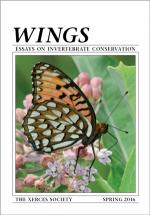
Essays on Invertebrate Conservation
The Xerces Society began as a butterfly conservation group, and, although the organization's work has expanded greatly, Lepidoptera remain at the heart of our efforts. This issue of Wings looks at our past, current, and future work on conserving butterflies.
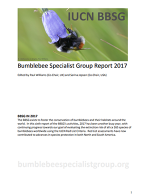
Reports of the IUCN Bumblebee Specialist Group are available at their website: bumblebeespecialistgroup.org
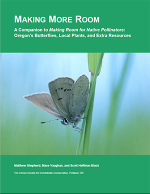
A Companion to Making Room for Native Pollinators: Oregon’s Butterflies, Local Plants, and Extra Resources
Making More Room is intended as a companion to Making Room for Native Pollinators: How to Create Habitat for Pollinator Insects on Golf Courses, published by the U.S. Golf Association in 2002. These guidelines expand on that document and offer successful strategies for incorporating pollinator conservation into course management and easy–to–implement tips for providing habitat for native bees and butterflies. With a regional focus on Oregon, this document includes detailed lists of nectar and pollen plants, information about hostplants for butterfly caterpillars, and extensive lists of relevant books, articles, and other sources of additional information.

Reducing Harm to Pollinators
Guidelines on how various organic farming practices can be balanced with the ecological needs of pollinators.
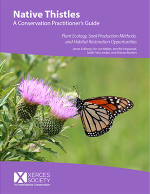
Plant Ecology, Seed Production Methods, and Habitat Restoration Opportunities
Native Thistles: A Conservation Practitioner’s Guide is packed with resources and information on the natural history and ecology of native thistle species. The authors describe the diversity of the 62 species of native thistles in North America, showcasing several species from different regions. A list of regional guides and resources was developed to help identify native thistles and distinguish them from invasive thistles in your region. Included is one of the most comprehensive lists of over 200 species of bees, butterflies and other beneficial insects that visit native thistle flowers along with an extensive list of the native insect herbivores that feed and depend on native thistles.
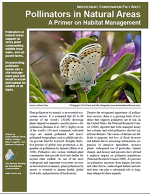
A Primer on Habitat Management
This primer provides a summary of how land managers can protect and provide habitat for bees, butterflies and other pollinators. Specifically, this 8-page booklet reviews the potential impacts of fire, grazing, mowing, herbicides, and insecticides. It then provides a series of recommendations for how land managers can adjust their use of these management actions to benefit pollinators. More detailed guidelines related to habitat management will be released by the Xerces Society in March 2008.
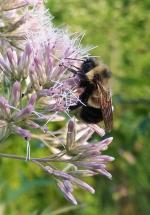
Our comments cite recent research and provide additional evidence to support the following factors outlined in our 2013 petition. In addition, we provide updated information about this species’ current range and conservation status, including a recently published IUCN Red List extinction risk assessment for the rusty patched bumble bee, in which the species was listed as Critically Endangered.