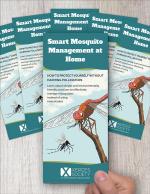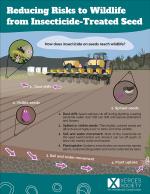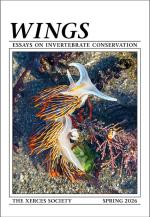
As a science-based organization, the Xerces Society produces dozens of publications annually, all of which employ the best available research to guide effective conservation efforts. Our publications range from guidelines for land managers, to brochures offering overviews of key concepts related to invertebrate conservation, from books about supporting pollinators in farmland, to region-specific plant lists. We hope that whatever you are seeking—whether it's guidance on making a home or community garden pollinator-friendly, advice on developing a local pesticide reduction strategy, or detailed information on restoring habitat—you will find it here!
Find Publications
Use the search functions to sort by publication type (books, guidelines, fact sheets, etc.), location, and/or subject (agriculture, gardens, pollinators, pesticides, etc.).

This fact sheet for growers provides information and resources to encourage nurseries to grow native milkweed.
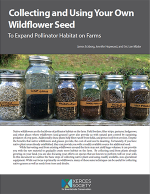
To Expand Pollinator Habitat on Farms
In this document we outline the basic steps of collecting native plant seed using readily available, non-specialized equipment, as well as tips for cleaning, storing, and sharing seed to expand pollinator habitat on farms and in our communities.
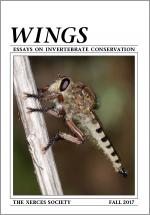
Essays on Invertebrate Conservation
Conservation is sometimes seen as taking place in a distant wilderness or requiring a lot of time. In this issue of Wings we look at conservation in urban areas and how you can take action in your own neighborhood to make a difference.
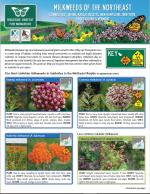
A diversity of milkweed species is found on roadsides, and play an important role in supporting the life cycle of monarchs. This guide can help you recognize the most common native species of milkweed on roadsides in your region.
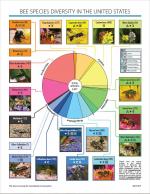
With more than 3,600 species in the US and Canada, bees are a remarkably diverse group of animals. This chart illustrates the number of species in each bee family.
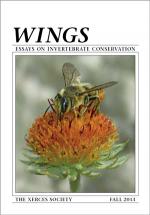
Essays on Invertebrate Conservation
Much of Xerces’ work is focused on habitat, which is central to successful conservation efforts. When habitat disappears from our urban and rural landscapes, so too does the rich diversity of invertebrates that underpin a healthy environment.

Although the name milkweed implies that the plants are indeed weeds, they are a diverse group of native wildflowers that are not listed as noxious weeds in any state or at the federal level in the U.S. Please read this fact sheet for even more information.
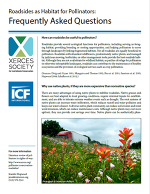
This fact sheet answers some frequently-asked questions regarding roadsides as habitat for pollinators.
Literature Review
This technical literature review, produced for the Federal Highway Administration with ICF International, includes a thorough treatment on the status of pollinators, causes of decline, potential mitigation efforts, habitat restoration and management for pollinators, and applications to roadsides.
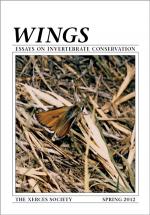
Essays on Invertebrate Conservation
The essays in this issue of Wings Magazine focus on declining species, including stories of conservation success, nationwide citizen action, and dogged sleuthing—all in the cause of protecting invertebrates.