As a science-based organization, the Xerces Society produces dozens of publications annually, all of which employ the best available research to guide effective conservation efforts. Our publications range from guidelines for land managers, to brochures offering overviews of key concepts related to invertebrate conservation, from books about supporting pollinators in farmland, to region-specific plant lists. We hope that whatever you are seeking—whether it's guidance on making a home or community garden pollinator-friendly, advice on developing a local pesticide reduction strategy, or detailed information on restoring habitat—you will find it here!
Find Publications
Use the search functions to sort by publication type (books, guidelines, fact sheets, etc.), location, and/or subject (agriculture, gardens, pollinators, pesticides, etc.).

Essays on Invertebrate Conservation
At the Xerces Society, one thing that unites all of us—staff, donors, collaborators—is a love for insects or other invertebrates. In this issue of Wings, the articles explore the natural history of two diverse and often misunderstood groups, wasps and grasshoppers, and one intriguing moth from New Zealand.
Docket No. FWS-HQ-ES-2025-003
The Xerces Society opposes rescission of the definition of “Harm” under the ESA, Docket No. FWS-HQ-ES-2025-003. We respectfully submit the following comments in strong opposition to the proposed rule that would rescind the regulatory definition of “harm” under the Endangered Species Act (ESA). If enacted, this action could undermine implementation of the ESA by creating confusion about its protections and weakening deterrents to habitat destruction.

On August 18, 2020, the Xerces Society filed a petition to list the western ridged mussel as an endangered species under the U.S. Endangered Species Act. The western ridged mussel has been lost from 43% of its historic range. In addition, sudden die offs of western ridged mussels have been observed in Oregon and Washington.
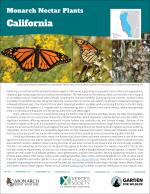
This regional list of monarch nectar plants is geared toward gardeners, landscape designers, and land managers who are implementing small- to large-scale monarch restoration projects in California.

A Comparative Overview
This fact sheet is intended to be a quick reference to help you select and use organically-approved pesticides with the least impact on bees and other beneficial insects.
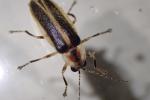
The Xerces Society submitted this petition for listing the loopy five firefly (Photuris forresti) under the Endangered Species Act (ESA) in 2023.
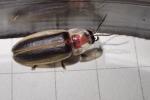
The Xerces Society submitted this petition for listing the Florida intertidal firefly (micronaspis floridana) under the Endangered Species Act (ESA) in 2023.
The Xerces Society submitted this petition for listing the mysterious lantern firefly (Photuris mysticalampas) under the Endangered Species Act (ESA) in 2023.

The Xerces Society submitted this petition for listing the Southwest spring firefly (Bicellonycha wickershamorum) under the Endangered Species Act (ESA) in 2023.
The Florida intertidal firefly, also known by the common names mangrove firefly and fiddler crab firefly, is a habitat specialist found only in the mangroves and salt marshes of coastal Florida and the Bahamas. Belonging to a tropical branch of the firefly family tree, this species is the only member of its genus in the United States.
The monarch was petitioned for listing under the Endangered Species Act in 2014 through a petition submitted by the Xerces Society and our conservation partners, including Center for Biological Diversity, Center for Food Safety, and the late Dr. Lincoln Brower.