As a science-based organization, the Xerces Society produces dozens of publications annually, all of which employ the best available research to guide effective conservation efforts. Our publications range from guidelines for land managers, to brochures offering overviews of key concepts related to invertebrate conservation, from books about supporting pollinators in farmland, to region-specific plant lists. We hope that whatever you are seeking—whether it's guidance on making a home or community garden pollinator-friendly, advice on developing a local pesticide reduction strategy, or detailed information on restoring habitat—you will find it here!
Find Publications
Use the search functions to sort by publication type (books, guidelines, fact sheets, etc.), location, and/or subject (agriculture, gardens, pollinators, pesticides, etc.).

This regional list of monarch nectar plants is geared toward gardeners, landscape designers, and land managers who are implementing small- to large-scale monarch restoration projects in Idaho, Montana, Wyoming, Utah, Colorado, and New Mexico.
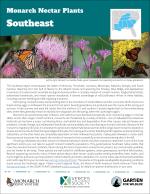
This regional list of monarch nectar plants is geared toward gardeners, landscape designers, and land managers who are implementing small- to large-scale monarch restoration projects in Kentucky, Tennessee, Louisiana, Mississippi, Alabama, Georgia, and South Carolina.
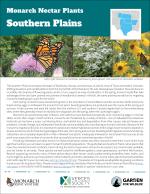
This regional list of monarch nectar plants is geared toward gardeners, landscape designers, and land managers who are implementing small- to large-scale monarch restoration projects in Oklahoma, Kansas, and Arkansas, as well as most of Texas and eastern Colorado.
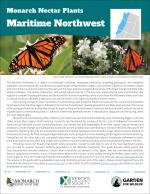
This regional list of monarch nectar plants is geared toward gardeners, landscape designers, and land managers who are implementing small- to large-scale monarch restoration projects in coastline and coastal ranges of Washington, Oregon, and northern California; the the Cascade mountains to the east; and the Puget Trough and Willamette Valley in between.
This regional list of monarch nectar plants is geared toward gardeners, landscape designers, and land managers who are implementing small- to large-scale monarch restoration projects in Nevada, part of Utah, and small sections of the surrounding states of Oregon, Idaho, and California.
This regional list of monarch nectar plants is geared toward gardeners, landscape designers, and land managers who are implementing small- to large-scale monarch restoration projects in Arizona and New Mexico, as well as sections of California, Nevada, Utah, Colorado, and Texas.

A diversity of milkweed species is found on roadsides, and play an important role in supporting the life cycle of monarchs. This guide can help you recognize the most common native species of milkweed on roadsides in your region.

for Pollinators and Beneficial Insects
The plants in this list are recommended for use in pollinator habitat restoration and enhancement projects in agricultural landscapes in the California Sierra Foothills Region.

The Xerces Society for Invertebrate Conservation intends to submit this letter into the public record in support of U.S. Fish and Wildlife’s proposal to list the monarch butterfly as threatened under the Endangered Species Act (Docket No. FWS-R3-ES-2024-0137).

Conservation At Home
Pesticides are believed to be a major cause of firefly declines, second only to habitat loss and fragmentation. While research on specific pesticide risks to fireflies is limited, several studies suggest that commonly used insecticides can harm fireflies, and studies on related insects suggest that many pesticides may negatively impact firefly populations. This fact sheet provides information on firefly life cycles, the needs of these beetles, and the threats they face from pesticides, so that you can take direct action at home to help conserve their populations.