Media contacts:
Richard Joyce, Endangered Species Conservation Biologist, Xerces Society for Invertebrate Conservation, (864) 668-5598, [email protected]
Candace Fallon, Senior Conservation Biologist, Xerces Society for Invertebrate Conservation, (503) 212-0788; [email protected]
Sarina Jepsen, Endangered Species Program Director, Xerces Society for Invertebrate Conservation, (971) 244-3727, [email protected]
WASHINGTON, July 13, 2026—In response to a petition filed by the Xerces Society for Invertebrate Conservation, the U.S. Fish and Wildlife Service (FWS) announced that the whimsically named loopy five firefly (Photuris forresti) warrants consideration for protection under the Endangered Species Act, issuing a positive 90-day finding for the species.
“We’re pleased to see the loopy five firefly progress to the next stage of review for Endangered Species Act protection. This is a threatened species that lives in marshy habitats we often don’t think to protect,” said Richard Joyce, a biologist with the Xerces Society who coordinates the Firefly Atlas, a nationwide community science project to gather crucial data for firefly conservation.
This finding means that the Fish and Wildlife Service will conduct a full review of the loopy five firefly, known as a species status assessment. Once it is completed, the FWS will decide whether or not listing this firefly as threatened or endangered under the Endangered Species Act is warranted. If listing is warranted, legal protections will go into effect and resources will be directed to recovery.
Loopy five fireflies are a rare wetland species restricted to the southeastern US
Loopy five fireflies are restricted to middle-elevation wetlands in South Carolina, Tennessee, and Georgia, with unconfirmed observations from North Carolina and Virginia. Named for its distinctive and dynamic flash pattern—a series of 5-7 flashes and glows emitted while bobbing in flight—the loopy five firefly is only found in certain marshes, pond edges, and beaver wetlands. Adults display in May and June, when frog calls fill the night.
Multiple threats imperil loopy five fireflies
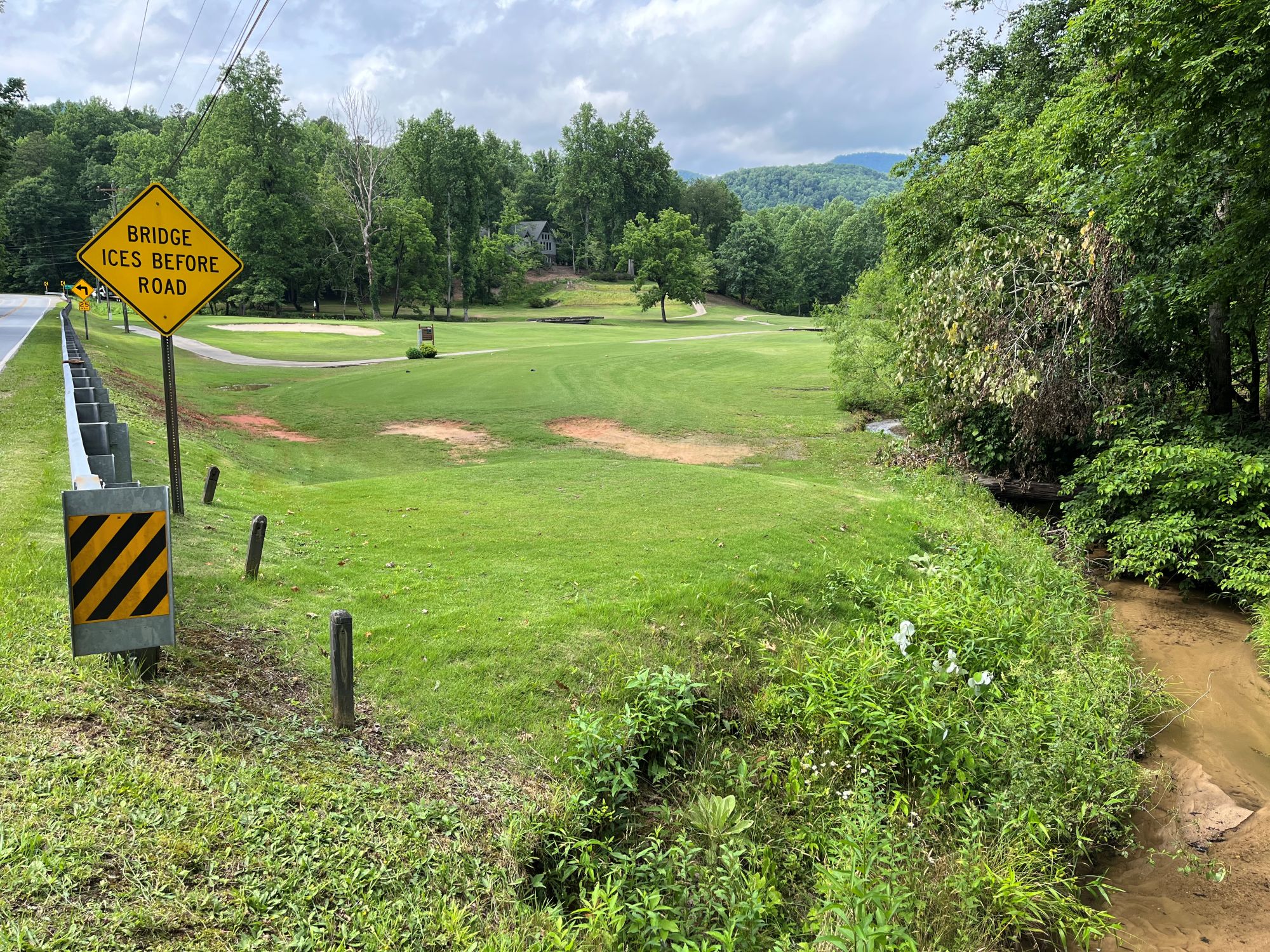
Like many insects, loopy five fireflies are threatened by habitat loss and degradation, light pollution, exposure to pesticides, and climate change. The site where the species was first discovered was destroyed for the construction of a golf course, and repeated surveys at this site have failed to find the firefly again.
“The low, marshy wetlands used by loopy five fireflies are not well represented in protected lands within its range, which tend to center on scenic mountains, lakes and reservoirs” said Joyce. “Construction of dams threatens to inundate loopy five habitats, while the erosion of the Clean Water Act’s protection of small wetlands further imperils the species.”
The loopy five is one of many US firefly species threatened with extinction
Conservation assessments of North American fireflies found that at least 18 species are threatened with extinction, with up to a third of species suspected to be similarly at risk. The southwest spring firefly (Bicellonycha wickershamorum), mysterious lantern firefly (Photuris mysticalampas), and Florida intertidal firefly (Micronaspis floridana) are currently being considered for Endangered Species Act Protection, and the Bethany Beach firefly (Photuris bethaniensis) has been proposed for listing as federally threatened.
“Our goal is to preserve the rich diversity of firefly species that light up our lives,” said Candace Fallon, a conservation biologist who leads Xerces’ firefly conservation efforts. “ESA listings are critical for protecting the most vulnerable species while we work to stem declines among species that have historically been widespread and common.
To learn more and get involved:
- Help collect firefly data with the Firefly Atlas.
- Learn more about the loopy five firefly.
- Read the Xerces Society’s petition for the loopy five firefly.
###
The following images are released for media use.
To download, right-click on image and select "save."
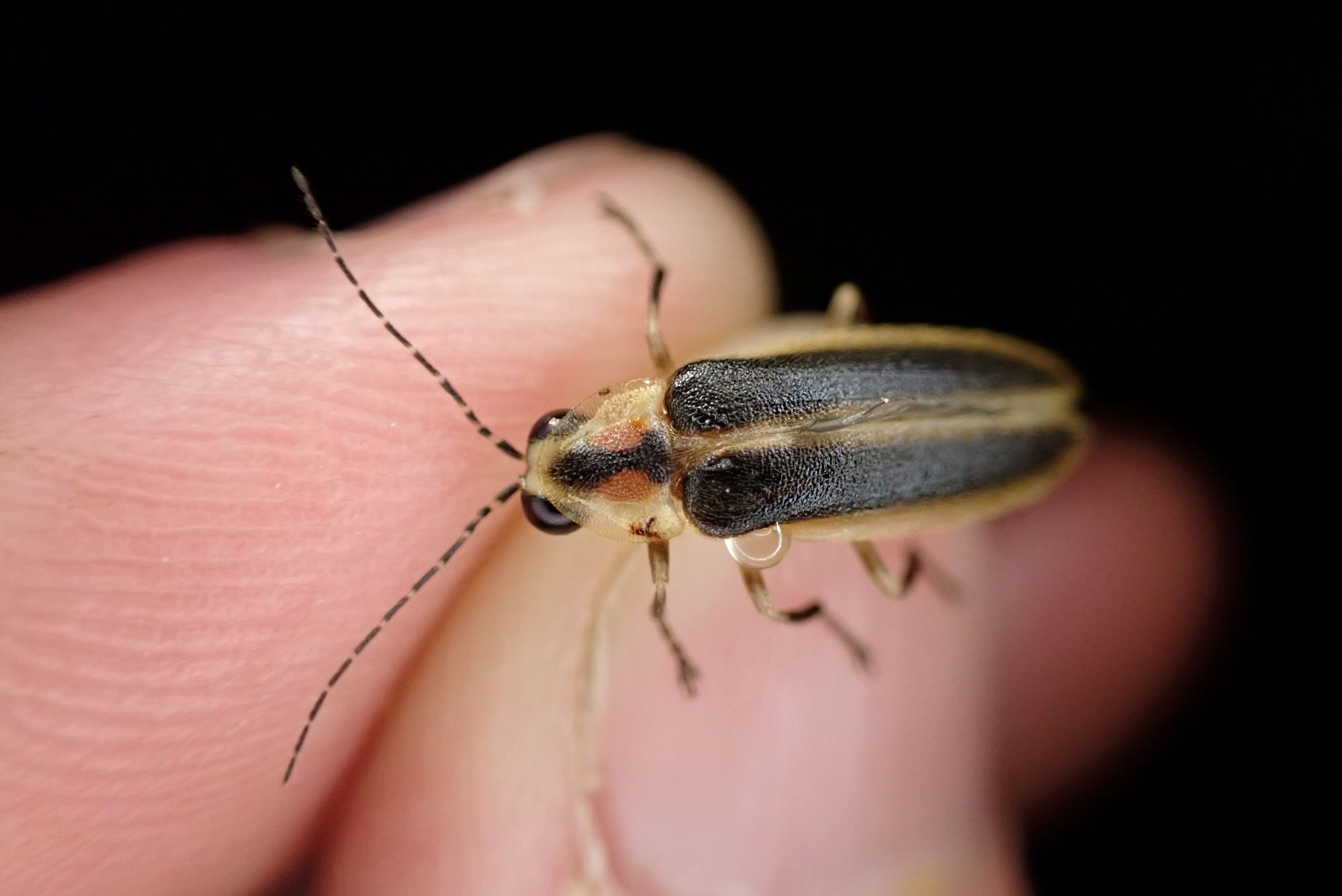
Description: Closeup of a loopy five firefly
Image credit: Richard Joyce, Xerces Society
File name: loopy_five_firefly_in_hand_c.Xerces_Society_Richard_Joyce
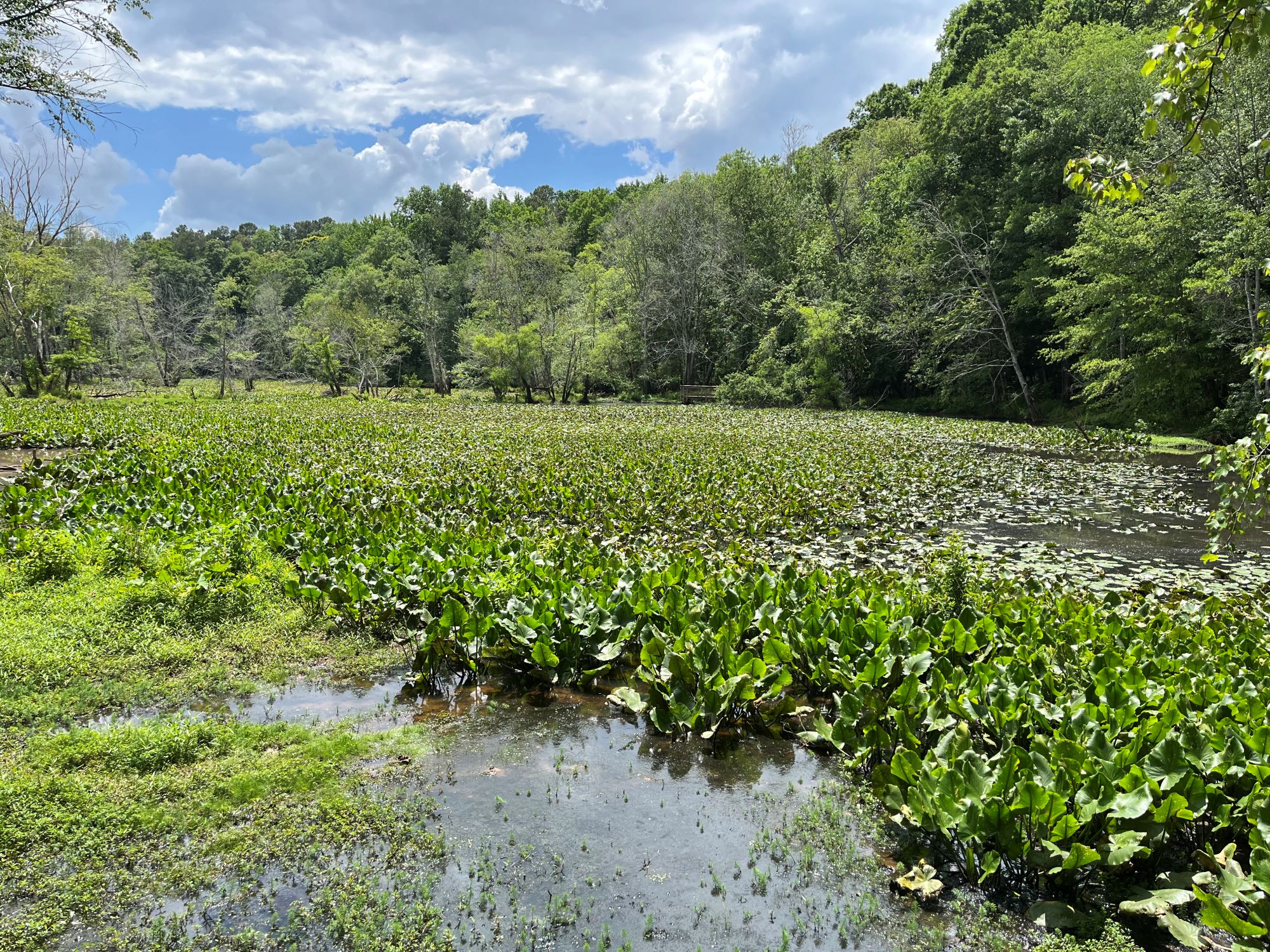
Description: Intact wetland habitat of the loopy five firefly in Georgia
Image credit: Richard Joyce, Xerces Society
File name: Sandy_Creek_loopy_five_habitat_c.Richard-Joyce_Xerces-Society
Description: A golf course that replaced former loopy five firefly habitat
Image credit: Richard Joyce, Xerces Society
File name: extirpated_loopy_five_firefly_site_c.Richard-Joyce-Xerces-Society