Skip to main content
x
Help support science-based conservation: become a member or make a donation today!
DONATE
JOIN
RENEW
DONATE
JOIN
Main navigation
Our Work
Protecting Pollinators
Conserving Endangered Species
Reducing Pesticide Use & Impacts
Advocating for Change
Spreading the Word
Our Services
Get Involved
Help Bring Back the Pollinators
Attend an Event
Join a Community Science Project
Business Partnerships
Job Opportunities
Scholarships
Deborah BanDrosky Award
Joan Mosenthal DeWind Award
Volunteer
Resources
Publications Library
Wings Magazine
Learn About Invertebrates
Pollinator Conservation Resource Center
Pollinator Habitat Kit Program
Plants for Pollinators
For Parents and Educators
News & Stories
Latest Stories
Blog
Xerces in the News
Press Releases & Media Information
Bug Banter Podcast
Newsletter Signup
About
About Xerces
Contact & Staff
Inclusion and Diversity
Board of Directors
Annual Reports
Corporate Supporters
Our Funders
Frequently Asked Questions
Give
Ways You Can Support Xerces
Gift Center
Planned Giving
Fundraise
Member Spotlights
Donate
Search
Breadcrumb
Xerces Society
-
Publications Library
-
Natural Areas & Ecosystems
Wetlands
Wetlands
Wings 45(2): Fall 2022 (Natural History)
21. November 2022
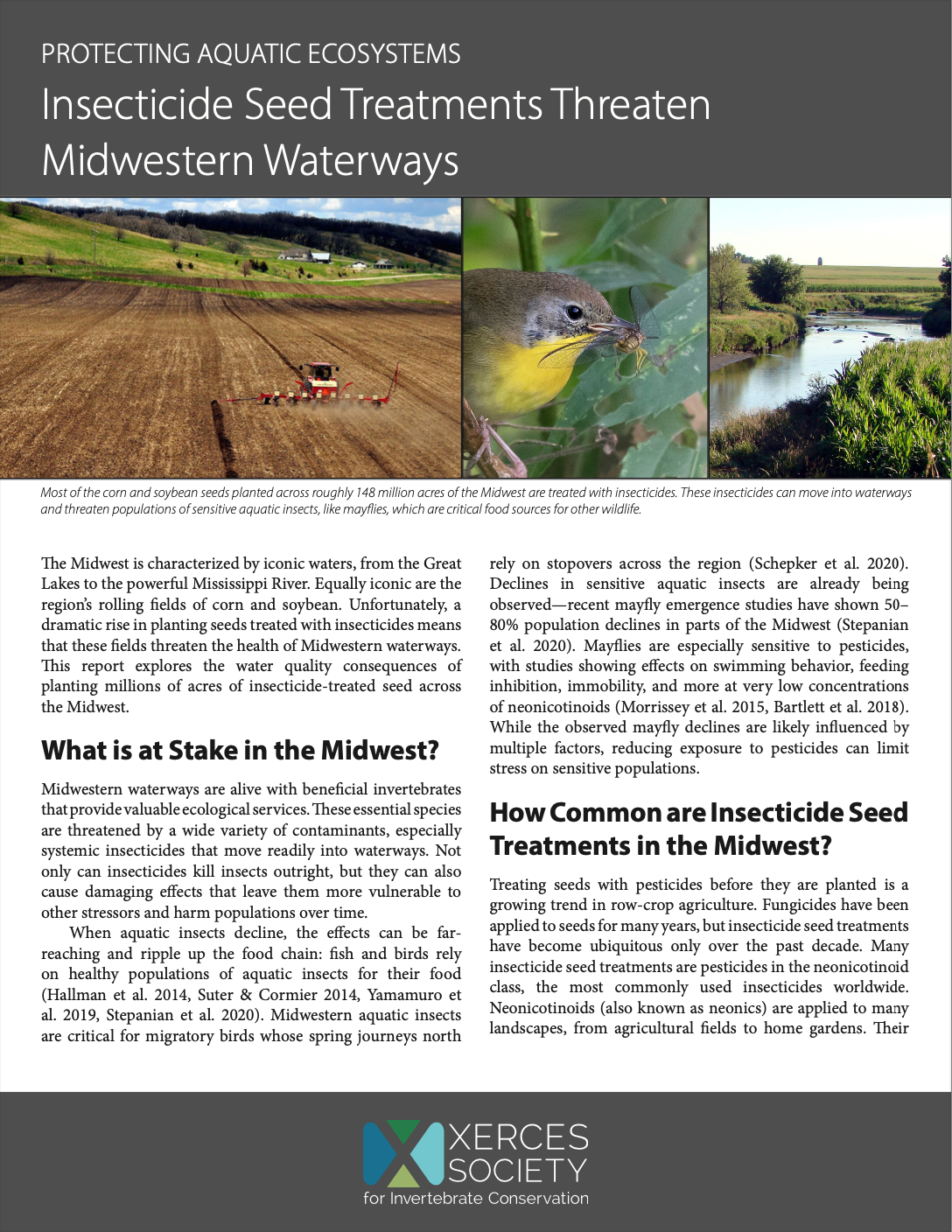
Insecticide Seed Treatments Threaten Midwestern Waterways
8. September 2021
Ecologically Sound Mosquito Management in Wetlands
31. May 2018
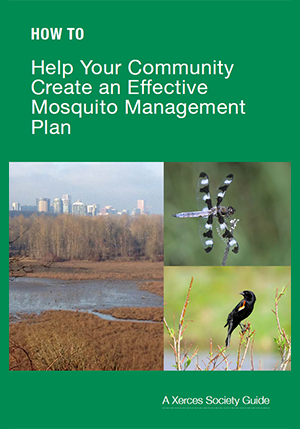
How to Help Your Community Create an Effective Mosquito Management Plan
16. May 2018
Developing a Framework for the Oregon Wetland Monitoring and Assessment Program
25. January 2012
Project Completion Report to the Oregon Watershed Enhancement Board--Developing an Invertebrate Index of Biological Integrity in Pacific Northwest Wetlands (OWEB Grant # 208-3046)
23. September 2009
Potential effects of the proposed West Eugene Parkway on populations of the Fender's blue butterfly found in the West Eugene Wetlands Refuge (6 March 2002)
10. September 2008
Share this page
New on the Blog
Your Frequently Asked Questions About Pollinator Gardening at Home
How To Safely Relocate Stem-Nesting Bees
Crimsoneyed Rosemallow: Your New Favorite Native Plant?