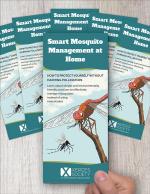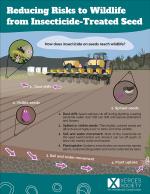
As a science-based organization, the Xerces Society produces dozens of publications annually, all of which employ the best available research to guide effective conservation efforts. Our publications range from guidelines for land managers, to brochures offering overviews of key concepts related to invertebrate conservation, from books about supporting pollinators in farmland, to region-specific plant lists. We hope that whatever you are seeking—whether it's guidance on making a home or community garden pollinator-friendly, advice on developing a local pesticide reduction strategy, or detailed information on restoring habitat—you will find it here!
Find Publications
Use the search functions to sort by publication type (books, guidelines, fact sheets, etc.), location, and/or subject (agriculture, gardens, pollinators, pesticides, etc.).

This fact sheet provides detailed information on hybrid sunflower crop pollinators, including a list of the most important native bees that visit this crop, and steps that can be taken to protect or enhance habitat for these pollinators. The information provided is based on field research conducted by Dr. Claire Kremen (University of California, Berkeley), Dr. Neal Williams and Nikki Nicola.
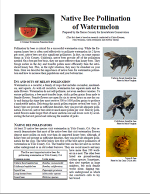
This fact sheet provides detailed information on watermelon crop pollinators, including a list of the most important native bees that visit this crop, and steps that can be taken to protect or enhance habitat for these pollinators. The information provided is based on field research conducted by Dr. Claire Kremen (University of California, Berkeley), Dr. Neal Williams and Nikki Nicola.
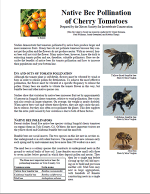
This fact sheet provides detailed information on cherry tomato crop pollinators, including a list of the most important native bees that visit this crop, and steps that can be taken to protect or enhance habitat for these pollinators. The information provided is based on field research conducted by Dr. Claire Kremen (University of California, Berkeley), Dr. Neal Williams and Nikki Nicola.
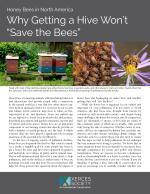
Honey Bees in North America
In the face of ongoing reports of pollinator declines, honey bees are frequently the first bee that comes to mind -- yet these bees are not native to North America and their presence in our landscapes add to the threats facing native bees. This fact sheet provides an overview of the research and science about the impacts of the western honey bee, a species that is not native to North America, has on this continent's thousands of species of native bees, and offers steps to take that will help support all bees.
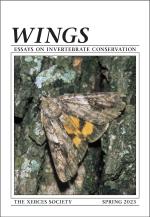
Essays on Invertebrate Conservation
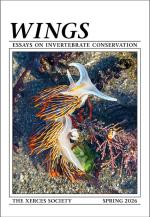
At the core of wildlife conservation is the need to ensure that animals have somewhere to feed, breed, and shelter—that is, habitat. Making that habitat the best it can be may mean balancing many issues, which sometimes include human needs. In this issue of Wings, our writers consider the challenges of light pollution, honey bees in North America, and facilitating agriculture in urban areas.
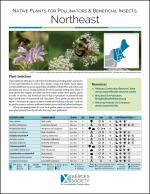
Identify native plants that attract native pollinators and beneficial insects in the Northeast region.

Identify native plants that attract native pollinators and beneficial insects in the Great Lakes region.

Site preparation is one of the most important and often inadequately addressed components for successfully installing pollinator habitat. These guidelines provide step-by-step instructions, helpful suggestions, and regional timelines & checklists for preparing both small and large sites
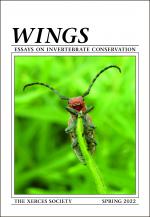
Essays on Invertebrate Conservation
Xerces Society staff share a passion for protecting insects and other invertebrates, but also a fascination with the diverse and intriguing behaviors of the animals that we work with. This issue of Wings looks at some of the ways in which we interact with insects as well as ways that we collaborate with individuals and communities to make conservation a success.

How to Create Habitat for Stem-Nesting Bees
Help us save the stems for native bees—share this brochure with friends, family, and neighbors. This 1/3-page brochure explains the nesting cycle for solitary stem-nesting bees and how to protect them (and their nests) year-round.