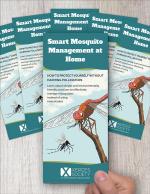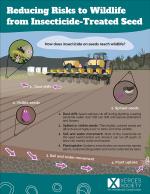
As a science-based organization, the Xerces Society produces dozens of publications annually, all of which employ the best available research to guide effective conservation efforts. Our publications range from guidelines for land managers, to brochures offering overviews of key concepts related to invertebrate conservation, from books about supporting pollinators in farmland, to region-specific plant lists. We hope that whatever you are seeking—whether it's guidance on making a home or community garden pollinator-friendly, advice on developing a local pesticide reduction strategy, or detailed information on restoring habitat—you will find it here!
Find Publications
Use the search functions to sort by publication type (books, guidelines, fact sheets, etc.), location, and/or subject (agriculture, gardens, pollinators, pesticides, etc.).
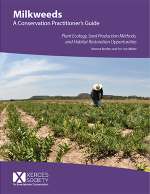
Plant Ecology, Seed Production Methods, and Habitat Restoration Opportunities
Milkweeds: A Conservation Practitioner’s Guide provides conservation professionals with information about optimizing milkweed seed production methods, offers guidance on incorporating milkweeds into restoration and revegetation efforts, and highlights milkweeds’ unique characteristics and value to wildlife. Native seed producers, restoration practitioners, land managers, monarch conservationists, gardeners, and landowners will all find this guide valuable.
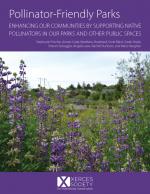
Enhancing Our Communities by Supporting Native Pollinators in Our Parks and Other Public Spaces
Plants and wildlife, including pollinators, can thrive in the seemingly inhospitable environment of towns and cities. Studies done from around the country have shown that dozens of species of bees can be found in gardens and parks in areas that are dominated by hardscapes such as Berkeley, California, and East Harlem in New York. In some cases, towns and cities are also important strongholds for rare species like the rusty patched bumble bee.
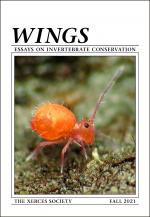
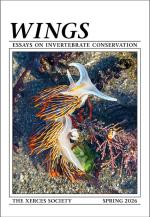
Essays on Invertebrate Conservation
The Xerces Society marks its fiftieth birthday this December. This is a time to reflect on what has been achieved and the people who contributed to our success, but it is also important to look ahead at how we can continue this vital work. The articles in this issue of Wings describe initiatives that move us in new directions.

This form was designed to monitor wildflower diversity and longevity on a single site over time when used in conjunction with Maintaining Diverse Stands of Wildflowers Planted for Pollinators and the accompanying forms:
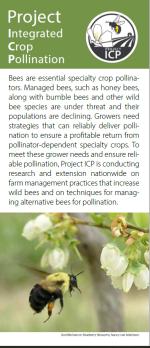
To see the full list of brochures available for download, click here.
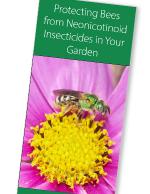
Neonicotinoids are a group of insecticides that are used widely on farms, as well as around our homes, schools, and city landscapes. This brochure explains why they are a risk to bees, gives examples of neonicotinoid garden products, and gives some simple tips for protecting bees from these insecticides
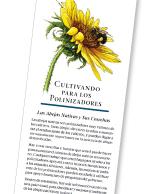
Las Abejas Nativas y Sus Cosechas
A Spanish translation of the brochure Farming for Pollinators.
Este folleto proporciona un resumen de los requisitos de hábitat de los polinizadores de cultivos y su hábitat se puede encontrar en el área alrededor de una granja.
To see the full list of brochures available for download, click here.
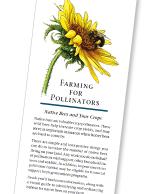
Native Bees and Your Crops
This brochure provides a summary of the habitat requirements of crop pollinators and where their habitat may be found in the area around a farm.
To see the full list of brochures available for download, click here.

Printable Yard Sign
Join us as we participate in No Mow May! By leaving your property unmown for the month of May, you’re creating habitat for pollinators and other wildlife.
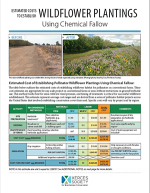
This fact sheet provides a quick overview of the estimated costs of establishing wildflower habitat for pollinators on conventional farms without restrictions on general herbicide use.